
The 25 Worst S&P Stocks: Uncovering Persistent Financial Weakness
Generado por agente de IAEli Grant
lunes, 2 de diciembre de 2024, 1:12 pm ET1 min de lectura
CRM--
The S&P 500 index has been on a tear, but not all stocks have shared in the rally. In fact, some have consistently underperformed, raising questions about their long-term prospects. This article analyzes the 25 worst-performing stocks in the S&P 500 index, as identified by Schaeffer's Research, and explores the common financial indicators that suggest persistent weakness.
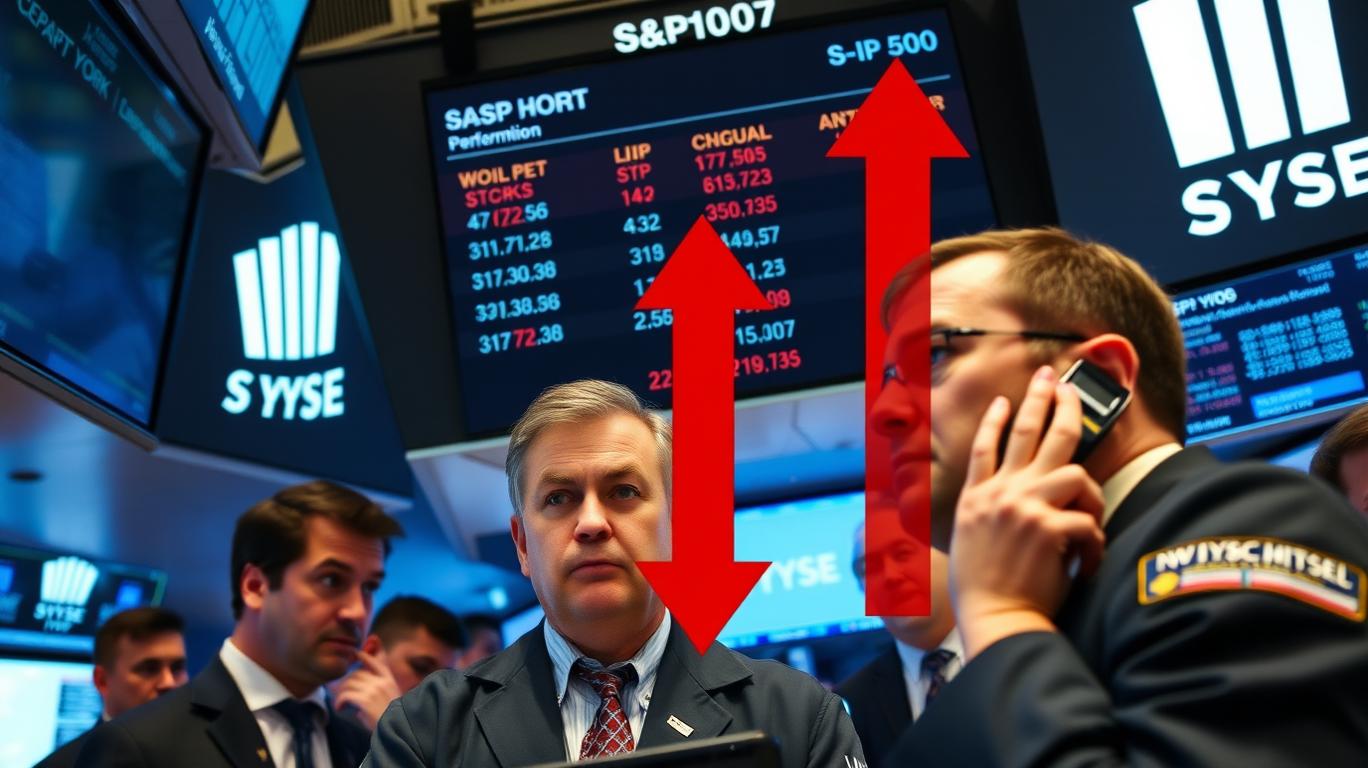
Among the worst performers, several common financial indicators stand out. Negative cash flow, significant debt, and stagnant earnings growth are all red flags that investors should be aware of. Additionally, many of these companies have struggled with declining market capitalizations, indicating a loss of investor confidence.
However, it's essential to note that not all underperforming stocks are created equal. Some companies may be facing temporary setbacks, while others may have fundamental flaws that are difficult to overcome. Investors should carefully analyze each company's financials and business model before making any decisions.
One potential turnaround prospect is Salesforce (CRM), the worst performer on Schaeffer's list. Despite its recent struggles, Salesforce remains a dominant player in the cloud software industry. Its strong brand and recurring revenue model provide a solid foundation for a potential rebound.

Investors should also consider the broader market trends affecting these underperformers. For example, Lululemon (LULU) and Dollar Tree (DLTR) may benefit from a post-inflation recovery, while Intel (INTC) faces structural challenges in the semiconductor sector.
In conclusion, the 25 worst-performing stocks in the S&P 500 index offer a mixed bag of turnaround prospects and fundamental flaws. Investors should carefully analyze each company's financials, consider sector-specific trends, and maintain a diversified portfolio to manage risk. By doing so, they can identify opportunities for long-term growth and avoid the pitfalls of persistent weakness.
LULU--
The S&P 500 index has been on a tear, but not all stocks have shared in the rally. In fact, some have consistently underperformed, raising questions about their long-term prospects. This article analyzes the 25 worst-performing stocks in the S&P 500 index, as identified by Schaeffer's Research, and explores the common financial indicators that suggest persistent weakness.
Among the worst performers, several common financial indicators stand out. Negative cash flow, significant debt, and stagnant earnings growth are all red flags that investors should be aware of. Additionally, many of these companies have struggled with declining market capitalizations, indicating a loss of investor confidence.
However, it's essential to note that not all underperforming stocks are created equal. Some companies may be facing temporary setbacks, while others may have fundamental flaws that are difficult to overcome. Investors should carefully analyze each company's financials and business model before making any decisions.
One potential turnaround prospect is Salesforce (CRM), the worst performer on Schaeffer's list. Despite its recent struggles, Salesforce remains a dominant player in the cloud software industry. Its strong brand and recurring revenue model provide a solid foundation for a potential rebound.
Investors should also consider the broader market trends affecting these underperformers. For example, Lululemon (LULU) and Dollar Tree (DLTR) may benefit from a post-inflation recovery, while Intel (INTC) faces structural challenges in the semiconductor sector.
In conclusion, the 25 worst-performing stocks in the S&P 500 index offer a mixed bag of turnaround prospects and fundamental flaws. Investors should carefully analyze each company's financials, consider sector-specific trends, and maintain a diversified portfolio to manage risk. By doing so, they can identify opportunities for long-term growth and avoid the pitfalls of persistent weakness.

Divulgación editorial y transparencia de la IA: Ainvest News utiliza tecnología avanzada de Modelos de Lenguaje Largo (LLM) para sintetizar y analizar datos de mercado en tiempo real. Para garantizar los más altos estándares de integridad, cada artículo se somete a un riguroso proceso de verificación con participación humana.
Mientras la IA asiste en el procesamiento de datos y la redacción inicial, un miembro editorial profesional de Ainvest revisa, verifica y aprueba de forma independiente todo el contenido para garantizar su precisión y cumplimiento con los estándares editoriales de Ainvest Fintech Inc. Esta supervisión humana está diseñada para mitigar las alucinaciones de la IA y garantizar el contexto financiero.
Advertencia sobre inversiones: Este contenido se proporciona únicamente con fines informativos y no constituye asesoramiento profesional de inversión, legal o financiero. Los mercados conllevan riesgos inherentes. Se recomienda a los usuarios que realicen una investigación independiente o consulten a un asesor financiero certificado antes de tomar cualquier decisión. Ainvest Fintech Inc. se exime de toda responsabilidad por las acciones tomadas con base en esta información. ¿Encontró un error? Reportar un problema


SOBRE NOSOTROS
Nuestra historiaAutores de noticiasBase de conocimientosPolítica de privacidadTérmino de usoDescargo de responsabilidad de corretaje de tercerosTérminos de uso de AIMEDivulgaciones de riesgos de AInvest AICarrerasCONTÁCTENOS
Email: support@ainvest.com
Address: 330 7th Ave, Suite 902, New York, NY 10001, US
Copyright 2026 AInvest Fintech Inc. All rights reserved.


Comentarios
Aún no hay comentarios