
The 2026 Inflection Point: Proactive Debt Relief Strategies in a Slowing Economy
The U.S. economy stands at a crossroads in 2026. While growth remains modest, the interplay of tightening credit conditions, lingering inflationary pressures, and structural shifts in consumer behavior has created a landscape where managing credit card debt demands more than passive strategies. For investors and borrowers alike, this year represents a critical inflection point-a moment to recalibrate approaches to debt relief in anticipation of a prolonged period of economic recalibration.
The Economic Context: A Decelerating Engine
According to the Federal Reserve's September 2025 Summary of Economic Projections, the median forecast for real GDP growth in 2026 is 1.8%, with a central tendency range of 1.7%–2.1%. This marks a significant slowdown from the post-pandemic rebound and reflects the cumulative drag of elevated tariffs, reduced net migration, and the lingering effects of monetary tightening. Deloitte's Q3 2025 U.S. Economic Forecast corroborates this trend, projecting real GDP growth to contract further to 1.4% in 2026 as businesses and households adjust to higher borrowing costs.
The Fed's policy trajectory adds another layer of complexity. While the central bank has cut interest rates three times in 2025, it anticipates only a single additional reduction in 2026. This cautious approach signals a prolonged period of elevated rates, which will keep credit card borrowing expensive for millions of Americans.
Credit Card Debt: Modest Growth, but Persistent Risks
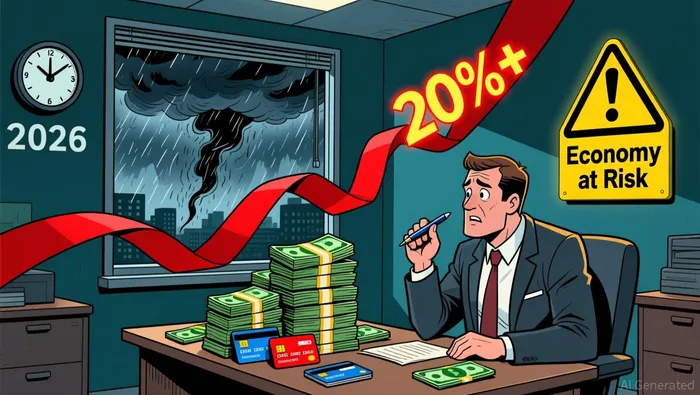 Despite the economic headwinds, credit card balances are expected to grow by just 2.3% in 2026, reaching $1.18 trillion by year-end. This is the smallest annual increase since 2013, a sign that both consumers and lenders are adopting a more measured approach. Delinquency rates are projected to remain stable, with the percentage of accounts 90 or more days past due rising only marginally to 2.57%.
However, these figures mask underlying vulnerabilities. A projected 4.5% unemployment rate by late 2026 and the drag of high interest rates-averaging over 20% on variable-rate cards-mean that even small slips in income or unexpected expenses could push households into distress. The stability of delinquency rates, in this context, is less a sign of robustness than a reflection of disciplined spending and tight credit conditions.
Why 2026 Is the Inflection Point
The convergence of slowing growth and stubbornly high interest rates makes 2026 a pivotal year for debt management. For consumers, the window to refinance or consolidate high-interest debt is narrowing. With the Fed signaling limited rate cuts, the cost of carrying credit card balances will remain elevated for years, eroding disposable income and stifling consumption.
For investors, the implications are twofold. First, the demand for debt relief solutions-such as balance transfer offers, personal loans, and financial counseling services-is likely to surge. Second, sectors exposed to consumer credit risk, including retail and financial services, may face margin pressures as households prioritize debt repayment over discretionary spending.







Comentarios
Aún no hay comentarios