
The 2026 Crypto ETF Shakeout: Navigating the Risks and Opportunities of a Crowded Market
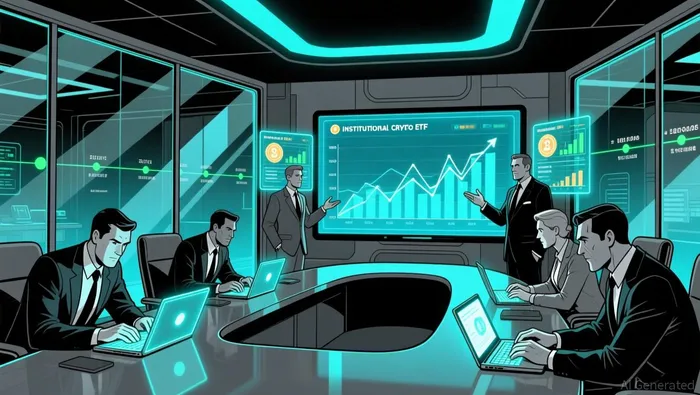
The crypto ETF market is on the brink of a seismic shift. By 2026, the U.S. alone could see over 100 crypto-linked ETFs, with institutional demand driving ETFs to purchase more than 100% of the new supply of BitcoinBTC--, EthereumETH--, and SolanaSOL-- according to Bitwise's 2026 forecast. This surge in adoption, fueled by regulatory clarity and infrastructure improvements, has created a crowded and competitive landscape. For investors, the challenge now is not just to participate but to strategically select ETFs and mitigate risks in a market where differentiation is key.
The 2026 Growth Catalysts: Regulation, Infrastructure, and Institutional Demand
The 2025 crypto ETF market grew by 45% to $103 billion in assets under management (AUM), a figure expected to balloon further in 2026 according to Grayscale's outlook. Regulatory milestones, such as the U.S. GENIUS Act and global policy harmonization, have normalized digital assets as institutional-grade investments according to Binance's analysis. Meanwhile, platforms like CoinbaseCOIN-- are building CFTC-regulated infrastructure to support ETFs, including custody, staking, and on-chain settlement according to Forbes. These developments have lowered barriers for traditional investors, with 68% of institutional investors already invested or planning to allocate capital to crypto ETPs according to SSGA's report.
However, growth comes with complexity. The same factors that attract capital-high volatility, regulatory uncertainty, and market concentration-also amplify risks. For example, Bitcoin's beta of 2.77X against the S&P 500 highlights its extreme sensitivity to macroeconomic shifts according to Nasdaq analysis.
Strategic ETF Selection: Beyond the Hype
With over 100 ETFs projected to launch in 2026, investors must adopt a discerning approach. Key criteria include:
Issuer Credibility and Regulatory Compliance
Prioritize ETFs from issuers with a proven track record in crypto, such as Bitwise or Grayscale, and those adhering to SEC standards according to ETF Trends. Regulatory compliance is no longer optional; it's a baseline requirement.Custody Frameworks
Security remains paramount. ETFs using regulated custodians with cold storage and multi-signature protocols reduce counterparty risk according to ETF Trends. For instance, Coinbase's institutional custody services are now a benchmark for security according to Forbes.Fee Structures and Liquidity
Expense ratios range from 0.25% to 1.5%, with higher fees often justified by enhanced liquidity and transparency according to ETF Trends. ETFs with weak market-making support may exhibit tracking errors, eroding returns.Tracking Methodology
Single-asset ETFs (e.g., Bitcoin or Ethereum) suit investors with strong convictions, while thematic ETFs (e.g., crypto mining equities) offer indirect exposure according to ETF Trends.
Risk Mitigation: Diversification, Hedging, and Regulatory Preparedness
The 2026 market demands proactive risk management. Here's how to navigate it:
Diversification as a Core Strategy
Institutional investors are increasingly allocating 0.5% to 7% of portfolios to Bitcoin, with 4% emerging as an optimal sweet spot for risk-adjusted returns according to CoinShares. Thematic ETFs can further diversify exposure across crypto-related sectors.Hedging Against Volatility
Given Bitcoin's high beta, pairing crypto ETFs with low-correlation assets (e.g., gold or treasuries) can stabilize portfolios. Some ETFs now offer synthetic exposure via derivatives, reducing direct exposure to price swings according to Sygnum.Regulatory Risk Management
The SEC's 2026 examination priorities emphasize fiduciary duties and conflicts of interest according to Foley. ETFs must demonstrate robust compliance frameworks, including transparent fee structures and investor protections.Market Concentration Risks
Overreliance on a single asset (e.g., Bitcoin) or issuer can expose portfolios to systemic shocks. ETFs with diversified holdings or multi-asset strategies mitigate this risk according to ETF Trends.
The 2026 Outlook: Shakeout or Sustained Growth?
While the market is crowded, it's also maturing. The anticipated passage of U.S. crypto market structure legislation and international regulatory alignment will likely solidify crypto ETFs as mainstream investment vehicles according to Trmlabs. However, the shakeout will favor ETFs with strong governance, liquidity, and institutional-grade infrastructure.
For investors, the key takeaway is clear: selectivity and risk awareness will separate winners from losers in 2026. As the market evolves, those who prioritize strategic selection and proactive risk mitigation will be best positioned to capitalize on the next phase of crypto's institutionalization.





Comentarios
Aún no hay comentarios