
The 2025 Thanksgiving Travel and Poultry Market Dilemma: A Strategic Outlook for Retail, Agribusiness, and Airline Sectors
The Poultry Market: Supply Shocks and Consumer Adaptation
The poultry market is under significant strain due to a 20% reduction in turkey supply, driven by avian flu outbreaks and elevated feed costs. These factors have pushed the average retail price of turkey to $7.50 per kilogram, a 50% increase from $5.00 in 2024. While retailers have introduced discounts of up to 15% to mitigate the impact, the broader context of rising food costs has forced households-particularly in Singapore-to rethink traditional holiday meal planning. Smaller gatherings, alternative proteins, and creative recipes are becoming common strategies to manage budgets.
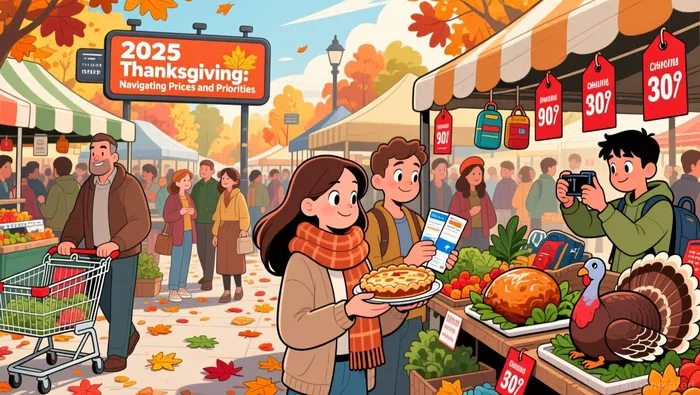 This shift underscores a critical trend: consumers are prioritizing flexibility over tradition. For agribusinesses, the challenge lies in balancing short-term supply constraints with long-term sustainability. Innovations in controlled environment agriculture, such as Symbiotic Systems, Inc.'s narrowband LED lighting technology, offer a glimpse into how the sector might address yield efficiency and energy consumption challenges. However, immediate solutions remain elusive, and the poultry market's volatility is likely to persist into 2026.
Holiday Travel Demand: A Boon for Airlines and Retailers
In contrast to the poultry market's struggles, the travel sector is experiencing a surge in demand. Easing pandemic restrictions and a cultural emphasis on family reunions have driven a projected 5% increase in holiday retail sales in the UK, with airlines like British Airways and National Rail expanding capacity to meet the influx of passengers. This surge is not merely a seasonal spike but a reflection of broader economic activity. Analysts note that increased travel spending will bolster local markets through higher foot traffic and ancillary purchases, such as dining and entertainment.
For airlines, the challenge lies in managing capacity without overextending operational resources. Dynamic pricing strategies and partnerships with retail chains to bundle travel and shopping experiences could enhance profitability. Meanwhile, retailers are leveraging the travel boom to expand inventories, anticipating a shopping rush that benefits both large chains and small businesses.
Consumer Behavior: The Budget Trade-Off
The dual pressures of rising turkey prices and travel costs are reshaping consumer spending priorities. While the U.S. presidential turkey pardon tradition continues-President Donald Trump recently pardoned Gobble and Waddle-this cultural event contrasts sharply with the economic realities faced by households. In Singapore, where turkey prices have risen sharply, consumers are increasingly allocating budgets toward travel and alternative meal options.
This trade-off highlights a broader trend: consumers are becoming more selective in their spending. For instance, households may opt for budget-friendly proteins like chicken or plant-based alternatives to offset turkey costs, while prioritizing travel for family reunions. Such behavior creates a fragmented demand landscape, where sectors must innovate to capture shifting preferences.
Strategic Implications for Investors
- Retailers: Discounting strategies must be paired with inventory diversification. Offering alternative proteins or meal kits could mitigate the impact of turkey price hikes while aligning with consumer demand for convenience.
- Agribusiness: Short-term investments in CEA technologies, such as those pioneered by Symbiotic Systems, Inc., may provide long-term resilience against supply shocks. However, investors should remain cautious about near-term volatility in poultry markets.
- Airlines: Capacity expansion should be balanced with cost management. Partnerships with retail and hospitality sectors could create synergies that enhance customer retention and revenue per trip.
Conclusion
The 2025 Thanksgiving season exemplifies the delicate balance between supply-side shocks and consumer-driven demand shifts. While the poultry market faces headwinds, the travel sector's growth offers a counterweight that could stabilize broader economic activity. For investors, the key lies in identifying sectors that can adapt to these dual pressures-whether through technological innovation, strategic partnerships, or agile pricing models. As the holiday season unfolds, the ability to navigate this "dilemma" will define the winners and losers in the retail, agribusiness, and airline industries.







Comentarios
Aún no hay comentarios