
2025 Crypto Investment Showdown: Tapzi vs. DOGE – Which Holds the 1000x Potential?
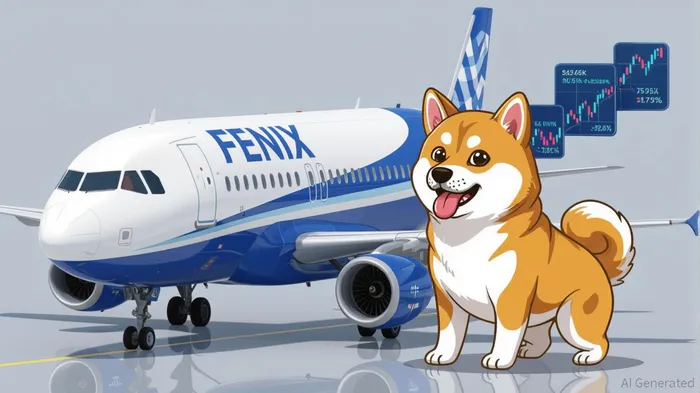
The 2025 crypto landscape is a battleground of ideologies. On one side, Dogecoin (DOGE)—the quintessential meme coin—rides the tailwinds of social media hype and speculative fervor. On the other, a hypothetical "Tapzi" (a term mistakenly conflated with a flight simulator livery creator[1]) represents a utility-driven model, rooted in real-world adoption and technical innovation. While the confusion around "Tapzi" as a cryptocurrency is unfounded[2], this analysis leverages macroeconomic trends and adoption dynamics to dissect the long-term potential of DOGEDOGE-- and a hypothetical utility-based rival.
The Meme Coin Paradox: DOGE's 2025 Momentum
Dogecoin's survival into 2025 is a testament to its cult following and the power of community-driven narratives. Despite lacking intrinsic utility, DOGE has maintained relevance through viral campaigns, celebrity endorsements, and its role as a "people's coin." However, its value proposition remains fragile.
Macroeconomic headwinds are reshaping investor behavior. Global inflationary pressures, exacerbated by U.S.-China trade tensions[3], have pushed investors toward assets with perceived scarcity or store-of-value properties. DOGE's infinite supply model clashes with this trend, making it a speculative play rather than a hedge against macroeconomic instability[4].
Moreover, interest rate policies in 2025 continue to prioritize stability over growth. Central banks in economies like Peru and Papua New Guinea are maintaining tight monetary policies to curb inflation[5], reducing liquidity in risk-on assets. For DOGE, which relies on retail FOMO (fear of missing out), tighter monetary conditions could dampen demand.
The Utility-Driven Case: A Hypothetical "Tapzi" Model
While no "Tapzi cryptocurrency" exists in 2025, the flight simulator livery creator's success offers a metaphor for utility-driven growth. Tapzi's 316,900 downloads and 2.5K likes[6] highlight the power of niche, high-quality offerings. Translating this to crypto, a utility-based project would prioritize real-world adoption—such as decentralized finance (DeFi) protocols, NFT infrastructure, or blockchain-based supply chain solutions.
Macroeconomic trends favor such models. The rise of AI and digital infrastructure[7] is creating demand for scalable, interoperable systems. A utility-driven crypto project could leverage these trends by offering tools for developers, enterprises, or governments. For instance, a blockchain platform enabling AI model sharing or carbon credit tracking would align with 2025's focus on inclusive growth and technological innovation[8].
Strategic Implications: Which Holds the 1000x Potential?
The 1000x potential of any asset hinges on adoption-driven growth and resilience to macroeconomic shocks. DOGE's meme-based demand is inherently volatile, tied to social media cycles and celebrity influence. In contrast, a utility-driven model—while slower to scale—offers defensibility through real-world use cases.
Consider the following:
1. Interest Rates and Liquidity: As central banks maintain restrictive policies[9], speculative assets like DOGE face headwinds. Utility-based projects, however, can attract institutional capital by demonstrating tangible ROI in sectors like logistics or energy.
2. Consumer Behavior: Inflationary pressures are shifting consumer priorities toward value retention[10]. A utility-driven crypto project could integrate with stablecoins or yield-generating protocols to address this need.
3. Regulatory Risk: Meme coins like DOGE remain vulnerable to crackdowns, while utility-based projects with clear governance frameworks are better positioned to navigate evolving regulations.
Conclusion: The Long Game
While DOGE's 2025 momentum is undeniable, its 1000x potential is constrained by its lack of utility and exposure to macroeconomic volatility. A hypothetical "Tapzi"-style utility-driven model, by contrast, aligns with the decade's technological and economic shifts. For investors seeking long-term value, the choice is clear: utility trumps meme in a world increasingly defined by scarcity, innovation, and macroeconomic pragmatism.






Comentarios
Aún no hay comentarios