
10-Year Yield Drops Ahead of Inflation Data
Generado por agente de IATheodore Quinn
viernes, 28 de marzo de 2025, 4:24 am ET1 min de lectura
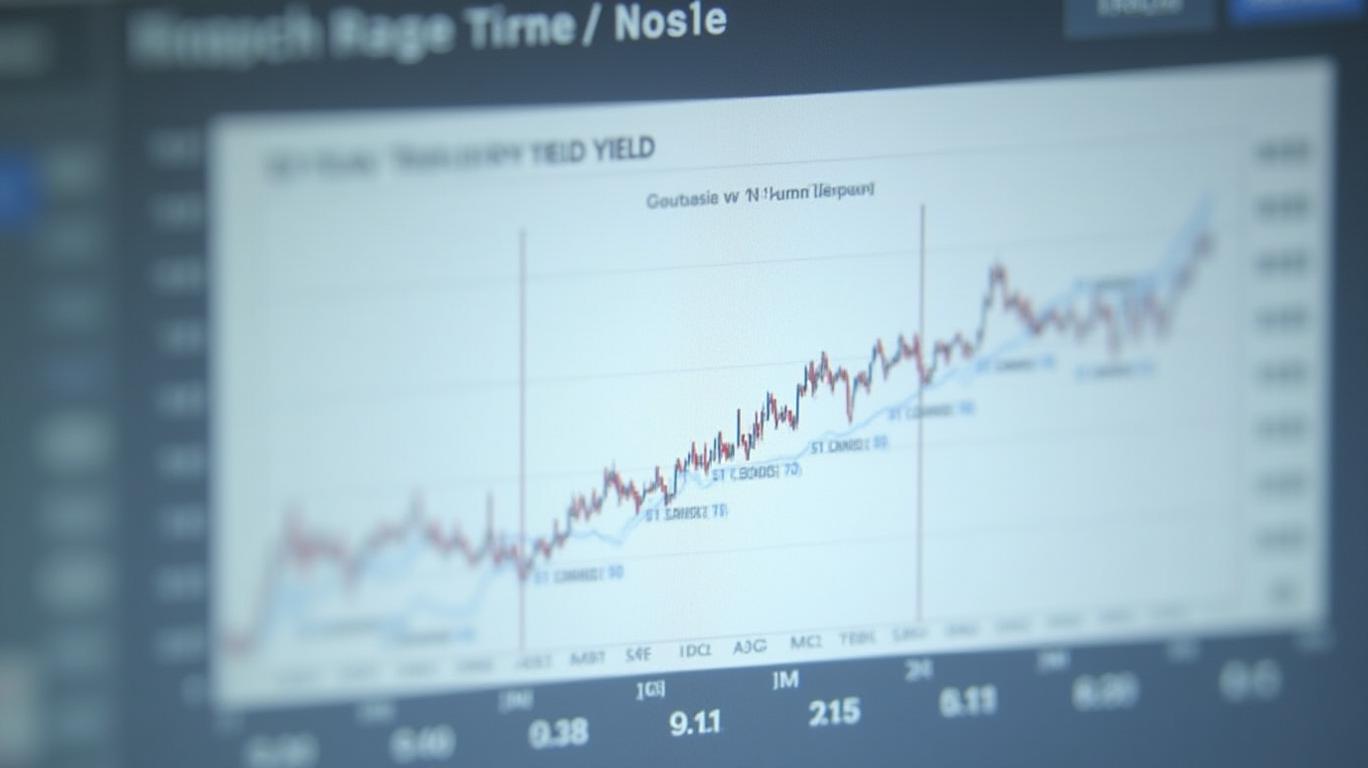
The 10-year Treasury yield has been on a downward trajectory, dropping to 3.86% as of mid-August 2024. This decline reflects a cautious investor sentiment and expectations for future economic growth and inflation. The upcoming inflation indicator release could have significant implications for the trajectory of the 10-year Treasury yield and broader financial markets.
The 10-year Treasury yield is sensitive to inflation expectations. If the inflation indicator shows a higher-than-expected increase, it could signal that investors expect higher inflation in the future. This would likely lead to a rise in the 10-year Treasury yield as investors demand higher returns to compensate for the expected erosion of purchasing power. Conversely, if the inflation indicator shows a lower-than-expected increase or a decrease, it could signal that investors expect lower inflation, leading to a fall in the 10-year Treasury yield.
Historically, the 10-year Treasury yield has been influenced by inflation expectations. For example, in December 2023, a favorable inflation print helped drive equity markets higher and bond yields lower, as core consumer prices increased less than market expectations. This historical context suggests that the upcoming inflation indicator release could have a similar impact on the 10-year Treasury yield.
The upcoming inflation indicator release could also impact equity markets. If the inflation indicator shows a higher-than-expected increase, it could signal that the Federal Reserve may need to raise interest rates to combat inflation. This could lead to a decrease in equity prices as higher interest rates make borrowing more expensive for companies and reduce consumer spending. Conversely, if the inflation indicator shows a lower-than-expected increase or a decrease, it could signal that the Federal Reserve may not need to raise interest rates, leading to an increase in equity prices.
The upcoming inflation indicator release could also impact commodity markets. If the inflation indicator shows a higher-than-expected increase, it could signal that demand for commodities is increasing, leading to an increase in commodity prices. Conversely, if the inflation indicator shows a lower-than-expected increase or a decrease, it could signal that demand for commodities is decreasing, leading to a decrease in commodity prices.
In conclusion, the upcoming inflation indicator release could have significant implications for the trajectory of the 10-year Treasury yield and broader financial markets. Investors should closely monitor the release and be prepared to adjust their portfolios accordingly.



Divulgación editorial y transparencia de la IA: Ainvest News utiliza tecnología avanzada de Modelos de Lenguaje Largo (LLM) para sintetizar y analizar datos de mercado en tiempo real. Para garantizar los más altos estándares de integridad, cada artículo se somete a un riguroso proceso de verificación con participación humana.
Mientras la IA asiste en el procesamiento de datos y la redacción inicial, un miembro editorial profesional de Ainvest revisa, verifica y aprueba de forma independiente todo el contenido para garantizar su precisión y cumplimiento con los estándares editoriales de Ainvest Fintech Inc. Esta supervisión humana está diseñada para mitigar las alucinaciones de la IA y garantizar el contexto financiero.
Advertencia sobre inversiones: Este contenido se proporciona únicamente con fines informativos y no constituye asesoramiento profesional de inversión, legal o financiero. Los mercados conllevan riesgos inherentes. Se recomienda a los usuarios que realicen una investigación independiente o consulten a un asesor financiero certificado antes de tomar cualquier decisión. Ainvest Fintech Inc. se exime de toda responsabilidad por las acciones tomadas con base en esta información. ¿Encontró un error? Reportar un problema




Comentarios
Aún no hay comentarios