
0DTE Volatility: A New Era in Options Trading
The rise of 0DTE options is not merely a function of technological or regulatory changes but a symptom of evolving behavioral patterns. Retail traders, empowered by commission-free platforms and social media-driven strategy sharing, now constitute 50-60% of SPX 0DTE trading activity according to market research. Their participation is amplified by the psychological allure of low-premium contracts, which create a dopamine-driven reward system akin to gambling. This dynamic is further exacerbated by the coordination of retail traders through online forums, where speculative strategies are rapidly disseminated.
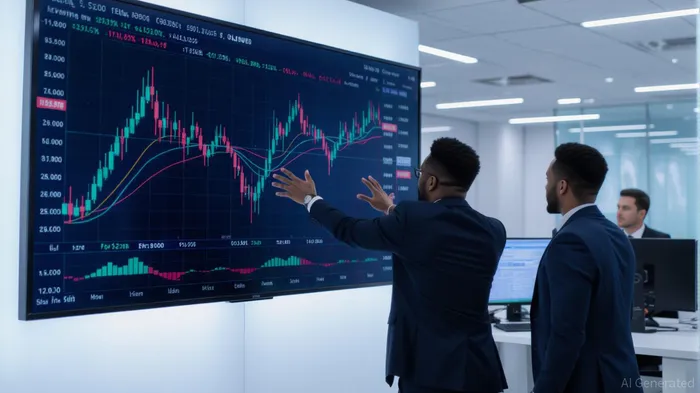
Institutional players, too, have embraced 0DTE options for tactical hedging, particularly around macroeconomic events such as Federal Reserve announcements or CPI data releases according to institutional analysis. However, the interplay between retail and institutional activity has introduced new volatility mechanisms. Market makers, for instance, must dynamically hedge large volumes of 0DTE contracts, often amplifying price swings as they adjust positions to maintain delta neutrality. This feedback loop-known as dealer gamma-has led to intraday volatility spikes, particularly in the final hours of trading when speculative flows peak.
Empirical evidence underscores the volatility-enhancing effects of 0DTE trading. A one standard deviation increase in 0DTE options volume corresponds to a 10.40% rise in relative volatility, an effect 1.49 times greater than that of traditional options. During periods of heightened uncertainty, such as the 2023-2025 US election cycle, this volatility has occasionally reached levels reminiscent of the 2008 financial crisis. While proponents argue that 0DTE options enhance liquidity and risk management, critics warn of systemic risks, including artificial volatility spikes and the potential for cascading feedback loops according to risk analysis.
The psychological underpinnings of this trend are equally compelling. Retail traders, particularly younger demographics, exhibit a heightened risk appetite, often prioritizing short-term gains over long-term stability. Automated trading strategies and algorithmic execution accelerate decision-making, reducing the time horizon for risk assessment. This environment fosters a culture of speculative excess, where the line between hedging and gambling blurs according to market observations.
As 0DTE options continue to redefine market dynamics, the challenge lies in balancing innovation with stability. Regulators and market participants must grapple with the dual role of these instruments: as tools for precision risk management and as catalysts for volatility. The future of 0DTE trading will likely hinge on the ability to mitigate behavioral biases while preserving the liquidity and efficiency they offer.







Comentarios
Aún no hay comentarios