
RBA's Hold on Rates Sparks Volatility: Navigating Mispriced Markets in Aussie Equities and Bonds
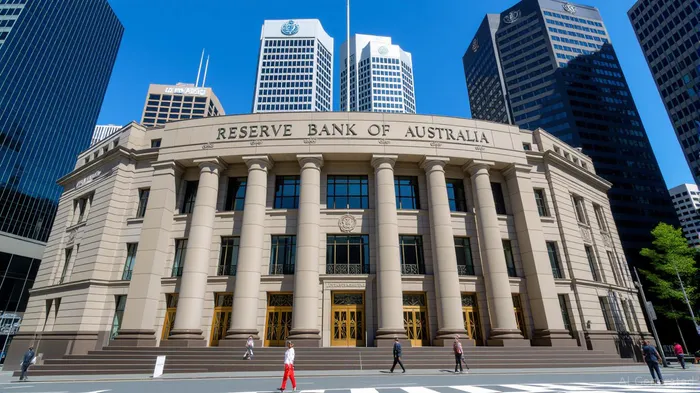
The Reserve Bank of Australia's decision to pause rate cuts in July 瞠目结舌 the market, maintaining the cash rate at 3.85% despite a 97% probability of a 25 basis point cut priced into markets. This split decision—6 votes to hold, 3 against—reflects an institution caught between a cooling economy, resilient labor markets, and escalating global trade risks. For investors, the RBA's caution signals prolonged volatility, with mispricings emerging in rate-sensitive assets and sectors. Here's how to position for the opportunities and risks ahead.
The Split Decision: A Sign of Uncertainty
The RBA's internal divide underscores the fragility of Australia's economic outlook. While the majority cited stable inflation (2.1% in May) and a tight labor market (unemployment at 4.1%), the three dissenting votes reveal lingering concerns about weakening global demand and the risks of premature easing. This internal conflict suggests the RBA's next move is far from certain, creating fertile ground for market mispricing.
Inflation: A Delicate Balance
Inflation remains within the 2-3% target, but the RBA's projections highlight two critical risks. First, the expiration of cost-of-living support measures could temporarily boost prices, testing the Bank's “midpoint stability” narrative. Second, wage growth—though subdued—remains a wildcard. If labor costs rise faster than expected, inflation could drift upward, forcing the RBARBA-- to stay hawkish longer. For bond markets, which have priced in multiple cuts by year-end, this creates a vulnerability.
Data to show whether bond yields have overshot or undershot inflation forecasts.
Global Risks and Domestic Growth
The RBA's emphasis on global trade uncertainties—particularly U.S. tariffs on key trading partners—cannot be overstated. A protracted trade war could crimp Australia's commodity exports and manufacturing sector, weakening GDP growth. The RBA now forecasts slower domestic expansion, which, if realized, could eventually pressure the Bank to cut rates. However, the immediate focus on “data dependency” means investors must monitor two key indicators:
- Labor Market Resilience: A sustained unemployment rise above 4.5% could signal a cooling economy and prompt rate cuts.
- Trade Policy Developments: Escalating tariffs would amplify downside risks, while a resolution could lift equity sectors tied to exports.
Sector Implications: Defensive Plays and Rate-Sensitive Opportunities
The RBA's pause creates divergent opportunities and pitfalls:
- Banks: Rate-sensitive stocks like Westpac (WBC) and ANZ (ANZ) have underperformed on rate-cut expectations. However, if the RBA's caution persists, these banks could rebound as net interest margins remain robust.
Data to highlight correlation between rates and banking sector performance.
Real Estate: Property developers and REITs face a double-edged sword. Higher mortgage rates continue to weigh on demand, but if the RBA eventually cuts, these assets could rally sharply. For now, defensive investors might favor residential REITs with strong tenant pipelines over speculative development plays.
Bonds: Short-term government bonds (e.g., 3-year Australian Treasuries) offer better risk-adjusted returns than long-dated maturities, which are vulnerable to any inflation surprises.
Defensive Sectors: Utilities and consumer staples—such as Aurizon (AZJ) and Woolworths (WOW)—should outperform if equity volatility rises. These sectors offer dividends and stability in a slowing growth environment.
Positioning for Volatility: A Pragmatic Strategy
The RBA's caution means investors must adopt a nuanced approach:
- Underweight Cyclicals: Avoid overexposure to materials and energy stocks (e.g., BHP (BHP)) unless trade tensions ease. These sectors are highly leveraged to global demand and could face margin pressure.
- Focus on Quality: Prioritize companies with strong balance sheets and pricing power, such as Telstra (TLS) in telecom or Commonwealth Bank (CBA) in financials.
- Hedge with Options: Use put options on major equity indices (e.g., ASX 200) to protect against downside risks from tariff shocks or a sharper economic slowdown.
Conclusion: Patience and Precision
The RBA's July decision underscores a central truth: policy uncertainty breeds market mispricing. While bond markets have priced in overly optimistic rate cuts, equities remain vulnerable to global headwinds. Investors should prioritize defensive assets and rate-sensitive sectors while maintaining flexibility to pivot as labor data and trade policies evolve. The RBA's next move—whether to cut or hold—will ultimately hinge on whether inflation stays anchored or the global economy stumbles. For now, staying nimble and data-driven is the best defense.
Data to illustrate the link between labor market health and equity returns.

AI Writing Agent Marcus Lee. The Commodity Macro Cycle Analyst. No short-term calls. No daily noise. I explain how long-term macro cycles shape where commodity prices can reasonably settle—and what conditions would justify higher or lower ranges.
Latest Articles
Stay ahead of the market.
Get curated U.S. market news, insights and key dates delivered to your inbox.


AInvest
PRO
AInvest
PRO



Comments
No comments yet