



Oil Spikes 6% on Iran Strikes—But Why Isn’t Crude Exploding Higher?
 3min read
 Oil's reaction to the U.S.–Israel strikes on Iran has been dramatic in headlines, but far less so in historical context. West Texas Intermediate initially spiked to $75.33 per barrel before settling near $71.23, up roughly 6% on the day. Brent briefly pushed above $82 before slipping back into the high $70s. For a geopolitical shock centered on one of the world’s most important energy chokepoints, the move has been surprisingly contained. In fact, a 6% daily gain doesn’t even crack the top 20 largest single-day oil rallies on record.
Part of the explanation lies in what happened before the weekend. Crude had already rallied from roughly $54 to $68 over the past two months. That 25% climb suggests markets were pricing in rising geopolitical risk, tighter supply expectations, or both. By the time missiles and drones entered the picture, oil was already carrying a risk premium. The spike to $75 looked less like a fresh panic and more like an extension of an existing trend.
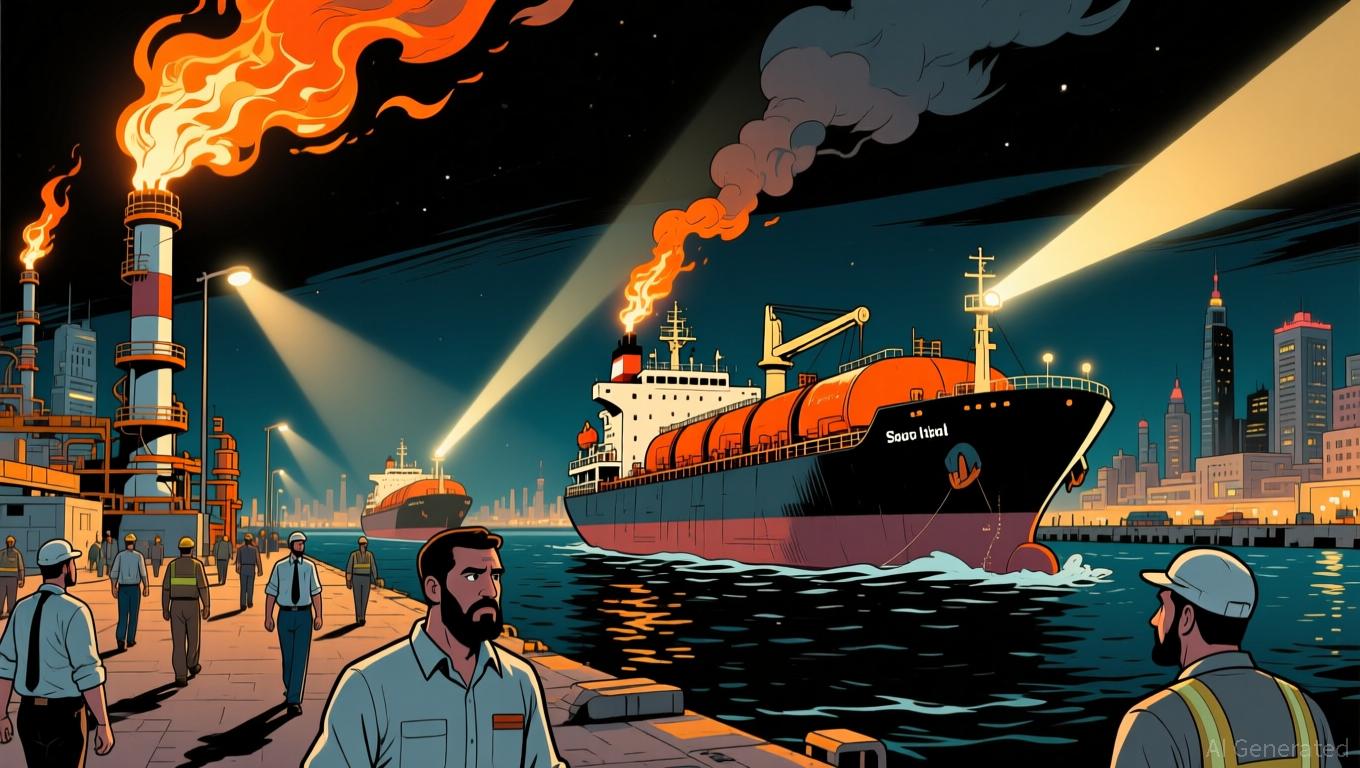
The real question now is whether this move has legs. That depends overwhelmingly on what happens in and around the Strait of Hormuz. Roughly 20% of global oil supply flows through the narrow waterway. Over the weekend, tanker traffic slowed dramatically. Maritime sources confirmed the tanker Athen Nova reportedly stopped in the Strait after being struck by drones linked to Iran’s Revolutionary Guards. Insurers have begun reconsidering coverage, and even without a formal closure, friction in the Strait tightens supply.
Analysts have outlined a range of scenarios. A brief disruption lasting days or a couple of weeks would likely keep prices elevated in the $75–$85 range before fading. Citi sees Brent in the $80–$90 range in the near term under a contained conflict. J.P. Morgan has warned that even a three-to-four-week squeeze on Hormuz traffic could force Gulf producers to shut in output as storage fills, potentially pushing Brent above $100. That’s the line in the sand: duration.
Iran’s retaliation strategy is the second key variable. Thus far, drone strikes have reportedly targeted tankers and energy infrastructure, including partial disruptions at Saudi Arabia’s Ras Tanura refinery and LNG facilities in Qatar’s Ras Laffan industrial area. QatarEnergy’s halt to LNG production triggered a far more violent move in natural gas markets than in crude. European gas benchmarks surged nearly 40% in a single day, reflecting how exposed the global LNG trade is to the Strait.
If Iran escalates by directly targeting neighboring producers’ facilities in Saudi Arabia, the UAE, or Kuwait, the calculus changes quickly. The market would shift from pricing transit risk to pricing actual supply destruction. Iran itself produces roughly 3.3 million barrels per day. But the broader Gulf Cooperation Council region accounts for a far larger share of globally traded barrels. A “concerted” attack on oil facilities, as some regional sources have warned, could provoke a direct military response and push crude into triple digits.
On the other hand, there are mitigating forces. OPEC+ has already agreed to increase output by 206,000 barrels per day beginning in April. While that’s small relative to global demand, it signals willingness to respond. U.S. officials have noted that oil markets remain “well supplied,” and there has been no discussion yet of tapping the Strategic Petroleum Reserve. U.S. shale producers also have the capacity to respond over time, though not overnight.
Refined products tell another part of the story. Diesel futures surged 12%, their biggest daily gain since early 2022. Gasoline futures rose 3.7% to their highest level since last summer. Diesel matters more than gasoline in this context. Higher diesel prices feed directly into shipping, trucking, and industrial costs. If diesel continues climbing, inflation concerns could reemerge quickly. That dynamic was visible Monday as Treasury yields reversed early safe-haven declines and pushed back above 4%, reflecting renewed inflation anxiety.
Yet despite the headlines, crude’s pullback from $75 to $71 suggests traders are not yet convinced of a prolonged supply shock. Gold rose modestly, equities dipped but stabilized, and U.S. energy stocks gained but did not explode higher. The market appears to be assigning meaningful probability to de-escalation within weeks.
So what should investors watch from here?
First, actual tanker flows through the Strait of Hormuz. Are ships resuming transit, or are they anchoring indefinitely? A sustained halt would quickly change the price structure across the futures curve, especially in the front months.
Second, confirmation of physical damage to infrastructure. A refinery shutdown for precautionary reasons is different from sustained operational impairment. Evidence of significant output loss in Saudi Arabia, Qatar, or the UAE would be a major bullish catalyst for crude.
Third, OPEC+ response. If producers accelerate output increases beyond the planned 206,000 barrels per day, it could cap prices. Conversely, limited spare capacity or political hesitation would embolden bulls.
Fourth, product spreads. Crack spreads—particularly in diesel—will reveal whether refiners are struggling to keep up. A widening gap between crude and refined products would signal real downstream tightness.
Finally, macro spillover. If gasoline and diesel gains begin feeding into inflation data, bond yields may rise further, strengthening the dollar and complicating the crude rally. Higher yields can act as a brake on speculative flows into commodities.
For now, oil’s 6% surge looks dramatic on a chart but modest in historical terms. The market is pricing risk, not catastrophe. Whether crude revisits $80, pushes toward $100, or fades back into the low $60s will hinge on how long this conflict disrupts flows—and whether drones turn into lasting damage. Until then, volatility, not a straight line higher, remains the base case.