


Giannis’ Gamble: Playing Through the Pain to Unlock $275M Trade Market
 4min read
 The core event is a clear standoff. The Milwaukee Bucks have asked their two-time MVP, Giannis Antetokounmpo, to shut down for the rest of the season following a calf strain, but he has refused and intends to return to play. This isn't a minor disagreement; it's a tactical stalemate that forces the team to play a losing hand while accelerating the clock on his impending free agency.
The context is a demoralizing reality. The Bucks are already eliminated from playoff contention, sitting in 11th place in the Eastern Conference with a 26-34 record. Their recent form has been brutal, including a 27-point loss to the Celtics just days ago. This demoralizing three-game losing streak, capped by that blowout, underscores the team's current identity as an average squad that cannot win close games. The trade deadline passed with Giannis still in Milwaukee, but the team's focus has shifted entirely to the future. As coach Doc Rivers stated, the Bucks have no plans to shut him down; he will play when healthy. Yet, the mere presence of a star returning from injury cannot mask the fact that this is a lost season.
For the Bucks, the immediate risk is clear. They are in a precarious spot-outside the play-in tournament and not in line for a top lottery pick. Their best path to a better future draft position is to rest Giannis and continue losing. By refusing to shut him down, the star is effectively choosing to play out the string, which may help his own health and marketability but does nothing to improve the team's immediate standing. This standoff creates a tension between the team's long-term strategic goal and the player's personal trajectory, with the clock now ticking down to the final act of a season that has already been written.
The Mechanics of a Lost Season
The stalemate is driven by a clash of financial and strategic timelines. For the Bucks, the goal is clear: they need to tank for a high draft pick. Yet, the mechanics of that tanking are broken. With a 26-34 record and a 5 1/2-game deficit to the final play-in spot, they are not in the top lottery odds. Resting Giannis offers no clear benefit for a better future draft position. The team's first-round pick is protected, and they are tied for eighth in the standings, meaning they are likely to pick in the back half of the top 10. The strategic incentive to rest the star is therefore minimal.
Giannis, however, is operating on a different clock. His personal trajectory is the immediate priority. He has already missed 31 games this season due to calf strains, making his return and health a key uncertainty. But his financial future is the real driver. He has a player option for the 2027-28 season, which he can decline to become a free agent. More critically, he can sign a $275 million maximum contract extension in October. The catch is that to be eligible for that offer, he must be traded by the NBA trade deadline. If he stays in Milwaukee past the deadline, he loses that eligibility and would enter free agency next summer with only one year left on his current deal.
This creates the core stalemate. The Bucks want to rest him to preserve his health and maintain their tanking narrative. Giannis, facing a potential $275 million payday, has a powerful financial incentive to seek a trade now, even if it means leaving a lost season. His refusal to shut down is a tactical move to stay on the floor and maximize his value, but it also directly undermines the team's strategic goal of a clean tank. The clock is now ticking down to the final act, where the team's long-term plan collides with the player's immediate financial calculus.
The Path Forward: Scenarios and Catalysts
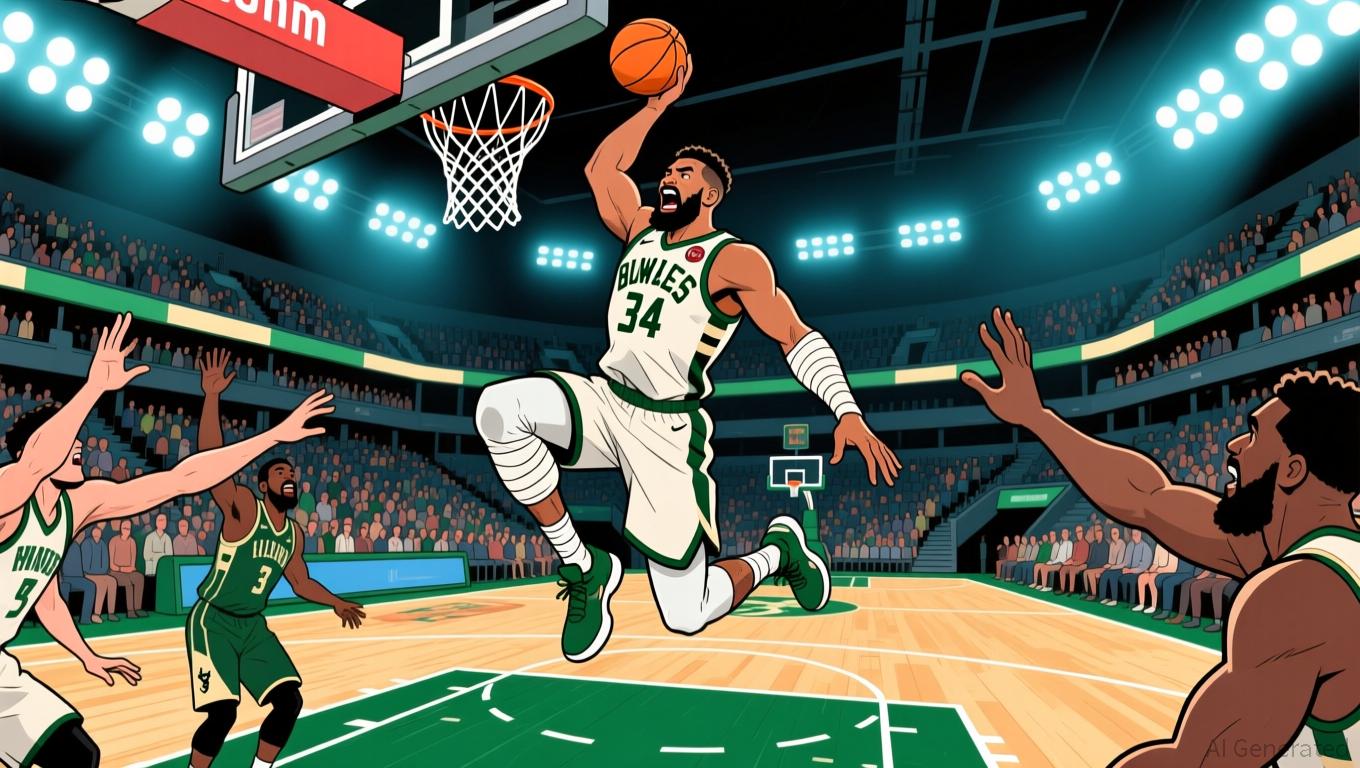
The Bucks are now forced into a tactical decision with no clear path to a better future. They have no playoff incentive, and their strategic goal of a high draft pick is complicated by the fact that they are already in a position to pick in the back half of the top 10. The immediate question is whether to play Giannis for the final stretch or risk further injury, with the trade deadline having passed and the situation remaining fluid.
The key catalyst is Giannis' health and performance in the coming games. His return is on target, and the team has no plans to shut him down. He's going to play when he's healthy, coach Doc Rivers stated. Yet, playing him could ruin their tank. The Bucks are 15-15 with Antetokounmpo on the court this season, a record that would make them moderately competitive. If he returns and plays well, it could artificially inflate their win total and hurt their draft position. But not playing him may not be possible if he refuses to shut down, as his mere presence after the deadline has already lifted team spirits.
The specific risk is a double-edged sword. On one hand, the Bucks need to preserve Giannis for the summer trade. He has already missed 31 games this season due to calf strains, and another injury could jeopardize his market value. On the other hand, they cannot stop him from playing if he is healthy and wants to. The team's best path forward is to let him play while managing his minutes, hoping to maintain his health for the trade market without significantly improving their win total. The clock is now ticking down to the final act, where the team's long-term plan collides with the player's immediate financial calculus.
The Takeaway: Tactical Implications
The stalemate is a clear negative for the Bucks' immediate win probability, but it sets up a high-stakes audition for Giannis. His performance in the final 15 games is the primary near-term catalyst. Every minute he logs now directly impacts his health and, more importantly, the urgency of a summer trade.
The setup favors a bet on a trade if he shows durability. His return is on target, and the team has no plans to shut him down. He's going to play when he's healthy. That's the positive for his market value. But the risk is that another injury could jeopardize his eligibility for a max extension. He has already missed 31 games this season due to calf strains, and a fresh setback would hurt his trade stock.
The financial calculus is the real driver. Giannis can sign a $275 million maximum contract extension in October, but only if he is traded by the deadline. His refusal to shut down is a tactical move to stay on the floor and maximize his value, but it also directly undermines the team's strategic goal of a clean tank. The clock is now ticking down to the final act, where the team's long-term plan collides with the player's immediate financial calculus.
The bottom line is that the final games are a high-stakes audition. For the Bucks, it's a losing hand. For Giannis, it's a chance to prove he can play through the pain and secure his path to a $275 million payday. The immediate risk/reward is clear: a healthy, productive finish boosts his trade value and the likelihood of a summer deal. An injury now could force him to wait a year and enter free agency with less leverage.